c a l m s h e n
Acupuncture
How does acupuncture work?
RMIT University academic
Dr Zhen Zheng explains:

Credit image: ENORASIS/etsy. Approval obtained by the artist to post image.

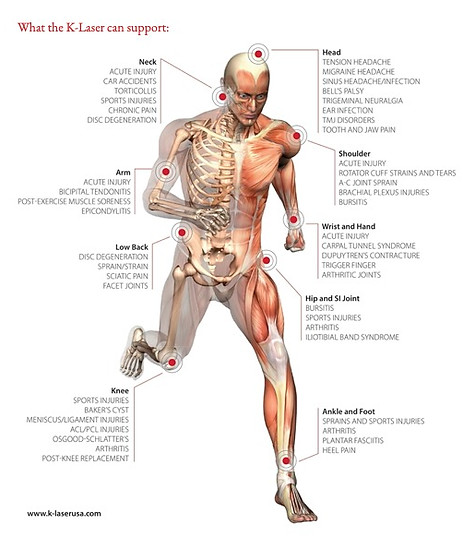
Laser Acupuncture using Class IV
K-Laser Therapy* (low level light therapy)
* K-Laser is therapeutically approved by the Therapeutic Goods Administration (TGA)
Laser acupuncture therapy is a gentle and effective alternative to traditional needle based acupuncture appealing to many patients, especially those who are needle phobic, generally anxious or sensitive. The laser is placed above the specific acupuncture point and the laser is activated with the delivery of the desired amount of joules.
As Laser acupuncture does not involve any needles nor discomfort it is especially ideal for patients who are sensitive; elderly and children.
Publication (Access the Article):
“Seventeen out of 20 patients (85%) showed various degrees of pain relief after laser acupuncture treatment…”
” …The 17 patients showed an average pain relief of 63 ± 31%. There were six patients who showed no TMD symptoms after an average of four treatments of laser acupuncture. The other 11 patients showed partial relief of TMD symptoms after treatment. Although the pain was still present, it was less and was acceptable. No side effects were reported in any patients during or after laser acupuncture treatments.”"
Class IV Medical Grade
K-Laser Therapy*
(Class 4 Laser)
* Therapeutically approved by the Therapeutic Goods Administration (TGA)
K-Laser therapy, or “photobiomodulation”, uses red and near-infrared wavelengths to enter the body's tissue in order to support the reduction of pain, inflammation, and promote tissue healing.
The warm and pleasant application of K-Laser energy increases blood flow to the affected area, drawing oxygen and nutrients. This enhances the body's innate ability to heal.
Therapeutic effects:
- Assists with increased circulation
- Helps decrease inflammation & reduce pain
- Enhances tissue healing and recovery time
How many treatments are necessary? Results are cumulative. Most people notice benefits after the first treatment and the positive benefits compound with each subsequent treatment. However, as a general guide, dependant on the nature of the condition:
- Acute conditions: 4-6 may be enough
- Chronic conditions: 6-12 (or more)
- Long term: periodic care (eg. arthritis)
How often can a treatment be received?
- Acute Condition: Daily
- Chronic Condition: 2-3 times a week
- Long Term Condition: 1-2 times a month
Herbal Medicine
Herbal medicine is predominately comprised of plant-based extracts derived from bark, dried fruits, flowers, leaves, rhizomes, roots, seeds, and twigs. Not all herbal medicines are unpalatable, in fact some can be quite pleasant . For instance, peppermint leaves, cinnamon bark & twigs, ginger and dried dates are commonly used in many Herbal Medicine formulae.

Online Herbal Dispensary
At this time I do not hold an in clinic dispensary. However, I place scripts through an online third party dispensary service where the herbs can be posted to you directly.
These are practitioner only suppliers, meaning they only accept herb prescriptions from registered practitioners. If herbs are recommended as part of your treatment plan and you are happy to take them, they will be ordered by me through a dispensary service and posted to your home directly from the supplier or can be collected from my practice. The cost of herbs vary from formula to formula, however, I will discuss the cost of the herbs with you before we proceed with your order. Postage costs apply.
Lifestyle & Self Care Guidance


Cupping
